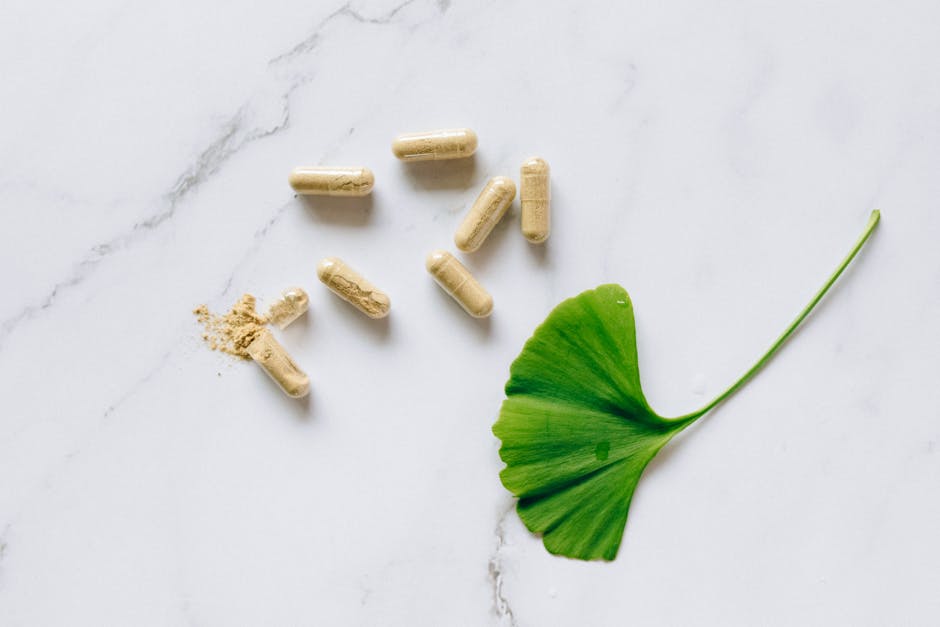
Have you ever felt fatigued and thought an iron supplement might help? Before reaching for that bottle, consider testing your iron levels first. Iron deficiency is common, but so is iron overload, and both can have significant health impacts. In this post, you'll learn why testing your iron levels before supplementation is essential, how to naturally manage iron with your diet, and how tools like Cratox can help you track and optimize your nutritional intake.
1The Risks of Iron Overload
Iron is a crucial mineral for oxygen transport and energy production, but more is not always better. Excess iron can cause organ damage and increase the risk of heart disease and diabetes. Hemochromatosis, a genetic disorder causing iron overload, affects many, often unknowingly. Testing your iron levels ensures you address deficiencies without risking excess.
2Symptoms of Iron Imbalance
Iron deficiency can lead to fatigue, weakness, and impaired cognitive function, while excess iron may cause joint pain, abdominal pain, and liver damage. Recognizing these symptoms can guide your decision to test iron levels before self-prescribing supplements. Foods like spinach and lentils are rich in iron, but their bioavailability varies, emphasizing the need for a tailored approach.
3Testing Iron Levels: What You Need to Know
Iron level tests include serum ferritin, which indicates stored iron, and transferrin saturation, showing how much iron is available. Consult with your healthcare provider to interpret results and tailor your diet or supplement needs. Cratox can help you track dietary iron intake and alert you to potential nutrient gaps, supporting informed decisions.
4Food Sources of Iron and Their Role
Dietary iron comes in two forms: heme and non-heme. Heme iron, found in animal products like red meat and chicken, is more readily absorbed. Non-heme iron, found in plant-based foods like chickpeas and spinach, has lower bioavailability but can be enhanced with vitamin C-rich foods like oranges and tomatoes. Cratox's database helps identify and track these iron-rich foods, ensuring balanced intake.
5The Role of Cratox in Managing Iron Intake
Cratox provides personalized dietary insights by analyzing your food log to detect nutrient deficits or excesses, including iron. This tool empowers you to make informed choices about whether or not supplementation is necessary, prioritizing a food-first approach.
💡Quick Tips
Consult with a healthcare provider to test your iron levels before starting supplements.
Incorporate more iron-rich foods like spinach and red meat into your diet.
Pair non-heme iron sources with vitamin C-rich foods to enhance absorption.
Use the Cratox app to track your daily iron intake and identify any nutritional gaps.
Stay informed about the symptoms of iron imbalance to address concerns early.
🥗Related Foods in Cratox
FAQ
QWhy is it important to test iron levels before supplementing?
Why is it important to test iron levels before supplementing?
QWhat are good dietary sources of iron?
What are good dietary sources of iron?
QHow can Cratox help manage my iron intake?
How can Cratox help manage my iron intake?
Testing your iron levels before considering supplements is crucial for maintaining health. A food-first approach, aided by tools like Cratox, can help you manage your iron intake effectively. Track your nutrient intake with Cratox's smart food database. Download the app today and reach your goals faster!

About David Chen
Supplements Editor with expertise in micronutrients and supplementation. Helps people understand when, why, and how to supplement their diet safely and effectively.
Track Your Nutrition
Use Cratox to track your macros and reach your goals faster.