Have you ever wondered if what you eat can affect how well you see? As it turns out, nutrition plays a pivotal role in maintaining clear and healthy vision. By incorporating certain foods into your daily diet, you can support your eyesight and potentially reduce the risk of age-related eye diseases. In this post, we will explore the best foods for vision health, backed by scientific research and how you can track your nutrient intake with the Cratox app.
1The Role of Micronutrients in Vision Health
Micronutrients, such as vitamins and minerals, are crucial for maintaining eye health. Vitamin A, for instance, is essential for proper functioning of the retina. A deficiency in this vitamin can lead to night blindness. Leafy greens like spinach and kale are excellent sources of lutein and zeaxanthin, antioxidants that protect the eyes from harmful light. Research published in the 'American Journal of Clinical Nutrition' highlights the positive impact of these antioxidants in reducing the risk of cataracts and age-related macular degeneration (AMD).
2Omega-3 Fatty Acids: A Vision Booster
Omega-3 fatty acids, primarily found in fatty fish like salmon, play a significant role in maintaining the structural integrity of eye cells. These fatty acids help prevent dry eyes and are believed to lower the risk of AMD. A study in 'Investigative Ophthalmology & Visual Science' demonstrated that higher consumption of omega-3 is associated with a reduced risk of AMD. Including fish in your diet twice a week can provide the necessary omega-3 fatty acids to support your eye health.
3Fruits and Vegetables: Natural Eye Protectors
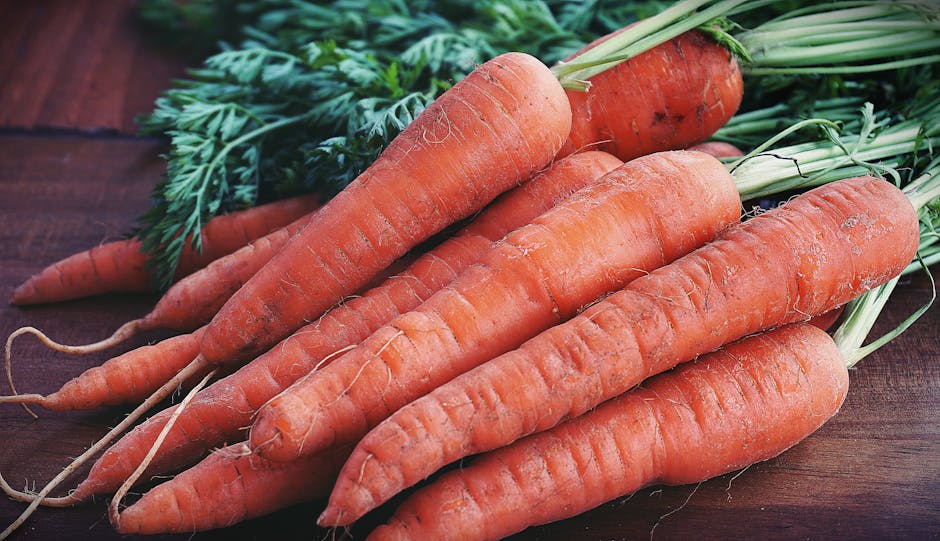
Fruits like oranges and vegetables such as carrots are rich in vitamin C and beta-carotene, respectively. These nutrients act as antioxidants, combating oxidative stress that can damage the eyes. Beta-carotene, a precursor to vitamin A, is especially notable for its role in preventing night blindness and maintaining overall eye health. The Cratox database can help you track your intake of these essential nutrients, ensuring you're getting enough to support your vision.
4Zinc and Eye Health: An Essential Mineral
Zinc is a key mineral that supports the health of the retina and helps vitamin A create melanin, a protective pigment in the eyes. Foods like oysters, beef, and fortified cereals are rich in zinc. A study from 'Archives of Ophthalmology' found that a combination of zinc and antioxidants can slow the progression of AMD. Utilizing the Cratox app can help you manage your zinc intake effectively, ensuring you're meeting your daily requirements.
💡Quick Tips
Include leafy greens in your daily meals for lutein and zeaxanthin.
Eat fatty fish twice a week for omega-3 fatty acids.
Snack on citrus fruits for a vitamin C boost.
Incorporate carrots into your diet for beta-carotene.
Track your nutrient intake with Cratox to ensure balanced nutrition.
🥗Related Foods in Cratox
FAQ
QCan diet improve my vision?
Can diet improve my vision?
QHow can Cratox help with vision health?
How can Cratox help with vision health?
QAre supplements necessary for eye health?
Are supplements necessary for eye health?
Incorporating nutrient-rich foods into your diet is a proactive step towards maintaining optimal vision health. By focusing on foods high in vitamins, omega-3 fatty acids, and zinc, you can support your eyesight and potentially prevent age-related conditions. Use the Cratox app to track your nutrient intake, ensuring your diet supports your long-term vision health. Download the app today and take control of your nutritional goals!

About Elena Rossi
Longevity researcher and wellness coach focused on preventive health through nutrition. Specializes in anti-aging nutrition, micronutrients, and disease prevention.
Track Your Nutrition
Use Cratox to track your macros and reach your goals faster.