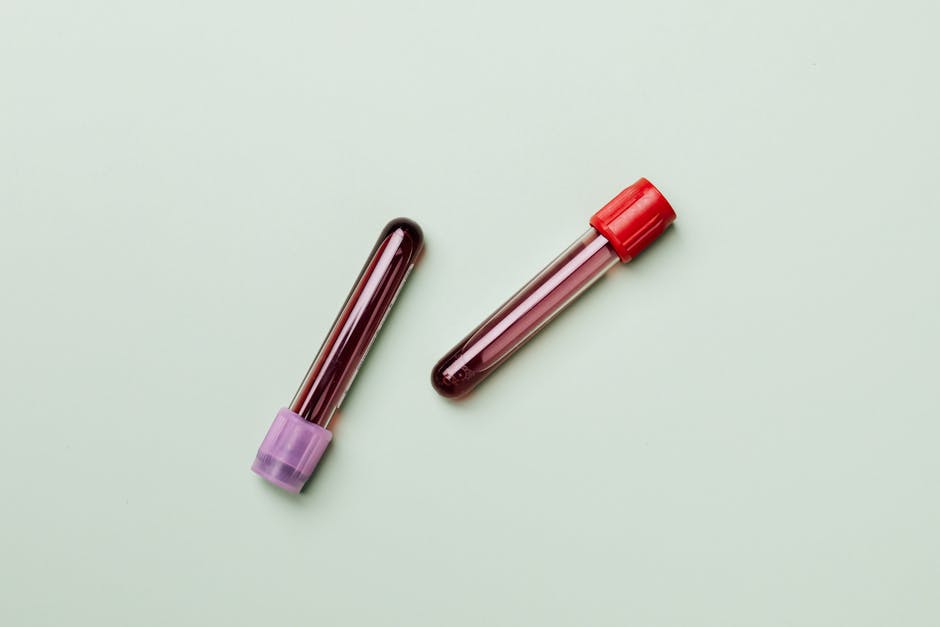
Feeling unusually tired or out of breath during simple activities? You might be dealing with anemia, a common condition where your body lacks enough healthy red blood cells to carry adequate oxygen to your tissues. For individuals managing chronic conditions, maintaining optimal nutrient levels is crucial. In this post, you'll discover how nutrition can play a pivotal role in managing anemia effectively. From understanding iron-rich foods to incorporating them into your daily meals, we'll guide you on a path to feeling more energetic and vibrant.
1Understanding Anemia and Its Nutritional Needs
Anemia can arise from various causes, but nutritional deficiencies, particularly in iron, vitamin B12, and folate, are among the most common. Iron is essential for the production of hemoglobin, which helps red blood cells transport oxygen. For those managing chronic conditions, ensuring that you meet your body's iron needs can be particularly challenging. Foods rich in heme iron, found in animal products, and non-heme iron, found in plant-based sources, are both critical. While heme iron is more readily absorbed, consuming vitamin C-rich foods can enhance the absorption of non-heme iron.
2Iron-Rich Foods to Include in Your Diet
Incorporating iron-rich foods into your diet is a natural way to combat anemia. Lean meats, like beef and chicken, are excellent sources of heme iron. Plant-based options include spinach, lentils, and quinoa, which are packed with non-heme iron. To boost absorption, pair these with vitamin C-rich foods such as strawberries, bell peppers, and oranges. Exploring the Cratox database can help you find these foods and track your daily nutritional intake effectively.
3The Role of Vitamin B12 and Folate
Vitamin B12 and folate are also crucial in preventing anemia. These vitamins are involved in red blood cell formation and DNA synthesis. Foods like eggs, dairy products, and fortified cereals are good sources of B12, while leafy greens, beans, and fortified grains provide folate. If you're following a plant-based diet, consider fortified products or supplements to meet your B12 needs. Use the Cratox app to monitor your vitamin intake and ensure you're meeting your daily requirements.
4Practical Meal Planning Tips
Planning meals that include iron, vitamin B12, and folate-rich foods can be straightforward with a little preparation. Start by incorporating a variety of these foods into each meal. For breakfast, try a spinach and egg omelet. Lunch could include a quinoa salad with chickpeas and bell peppers, and dinner might feature grilled chicken with a side of broccoli. Cratox can help you plan meals by providing nutritional data and suggesting food combinations that maximize nutrient absorption.
💡Quick Tips
Include a source of vitamin C with iron-rich meals to enhance absorption.
Track your daily iron intake using the Cratox app to ensure you're meeting your needs.
Incorporate at least two servings of iron-rich foods in your daily diet.
🥗Related Foods in Cratox
FAQ
QCan I get enough iron from a plant-based diet?
Can I get enough iron from a plant-based diet?
QHow does Cratox help in managing anemia?
How does Cratox help in managing anemia?
QWhat are the symptoms of iron deficiency anemia?
What are the symptoms of iron deficiency anemia?
Managing anemia through nutrition is a powerful tool at your disposal. By incorporating iron, vitamin B12, and folate-rich foods into your diet, you can combat anemia's effects and improve your overall well-being. Track your progress and nutrient intake with the Cratox app, which provides valuable insights and helps you stay on top of your health goals. Download the app today and take control of your nutritional health!

About James Parker
Health Writer specializing in diabetes, heart disease, and digestive health management. Provides practical, research-backed nutrition advice for people with chronic conditions.
Track Your Nutrition
Use Cratox to track your macros and reach your goals faster.