Have you ever wondered why nutritionists stress the importance of fiber in your diet? Fiber plays a crucial role in maintaining digestive health, yet many people remain confused about its different types and functions. In this post, we will unravel the mystery of fiber by exploring the two main types: soluble and insoluble. You'll learn how these fibers work in your body, the benefits they provide, and how you can easily incorporate them into your diet.
1Soluble Fiber: The Gel-Forming Friend
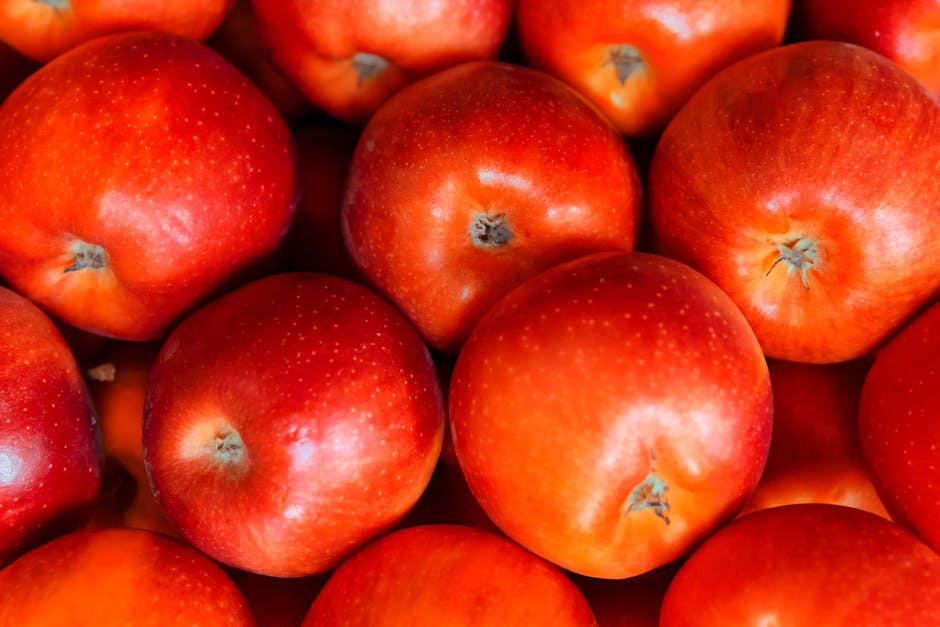
Soluble fiber dissolves in water to form a gel-like substance. This characteristic allows it to slow down digestion, which can be beneficial for stabilizing blood sugar levels and lowering cholesterol. Common sources of soluble fiber include oats, apples, and lentils. These foods not only help in managing weight by keeping you full longer but also play a role in heart health by reducing the absorption of cholesterol into the bloodstream. By tracking your fiber intake with Cratox, you can ensure you're getting enough of this essential nutrient.
2Insoluble Fiber: The Digestive System's Broom
Unlike soluble fiber, insoluble fiber does not dissolve in water. Instead, it adds bulk to your stool and helps food pass more quickly through the stomach and intestines. This type of fiber is your digestive system's natural broom, preventing constipation and promoting regular bowel movements. Foods rich in insoluble fiber include whole wheat bread, nuts, and carrots. By including a variety of these foods in your diet, you support overall gut health and reduce the risk of digestive issues.
3The Synergy of Soluble and Insoluble Fiber
Both types of fiber work best when combined. While soluble fiber helps with slower digestion and nutrient absorption, insoluble fiber ensures that everything moves smoothly through your gastrointestinal tract. Eating a balanced diet that includes both types of fiber can lead to improved digestive health and lower risk of chronic diseases. Foods like beans and vegetables offer a mix of soluble and insoluble fiber, making them excellent choices for a healthy diet.
4Tracking Fiber for Better Health
Understanding your fiber intake can be a game-changer for your health. Using an app like Cratox, you can easily monitor your fiber consumption and make informed dietary choices. By tracking the foods you eat, such as pears and brown rice, you can ensure you're meeting your daily fiber needs and optimizing your digestive health.
💡Quick Tips
Incorporate a serving of oats in your breakfast for soluble fiber.
Snack on a handful of almonds for a boost of insoluble fiber.
Track your fiber intake with Cratox to ensure balanced consumption.
🥗Related Foods in Cratox
FAQ
QWhat is the recommended daily intake of fiber?
What is the recommended daily intake of fiber?
QCan too much fiber be harmful?
Can too much fiber be harmful?
QHow does fiber aid in weight management?
How does fiber aid in weight management?
Understanding the roles of soluble and insoluble fiber allows you to make smarter dietary choices that benefit your digestive health. By incorporating a variety of fiber-rich foods into your meals, you not only support your gut but also reduce the risk of chronic illnesses. Use the Cratox app to track your fiber intake and maintain a balanced diet. Download it today and take a step closer to reaching your health goals!

About Lisa Wong
Nutrition Writer focusing on general nutrition education and balanced eating. Makes complex nutritional science accessible and actionable for everyday people.
Track Your Nutrition
Use Cratox to track your macros and reach your goals faster.