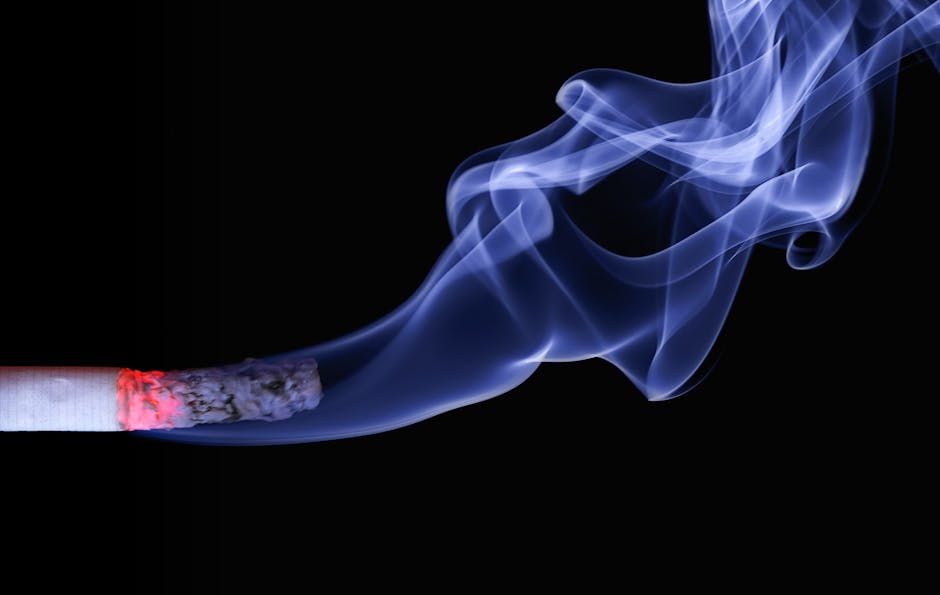
Have you ever wondered what happens to your body when you light up a cigarette? Many people are aware that smoking is harmful, yet the specifics of its effects are often overlooked. This comprehensive guide will delve into the physiological impacts of smoking, backed by scientific research, and provide actionable steps to mitigate its damage. Whether you're a smoker or concerned about a loved one, understanding the biological processes involved is crucial for long-term wellness and disease prevention.
1The Respiratory System: The First Line of Attack
Smoking primarily affects the lungs and airways. The inhalation of tobacco smoke introduces over 7,000 chemicals into the respiratory system, many of which are toxic and carcinogenic. This exposure leads to inflammation and damage to the alveoli, the tiny air sacs in the lungs responsible for gas exchange. Over time, this can result in chronic obstructive pulmonary disease (COPD) and increase the risk of lung cancer. A study published in the Journal of the American Medical Association highlights that smokers are 15 to 30 times more likely to develop lung cancer than non-smokers. By understanding these impacts, individuals can make informed choices about their health.
2Cardiovascular Complications: More Than Just Heart Disease
Smoking is a significant risk factor for cardiovascular diseases. The chemicals in tobacco smoke damage the lining of the arteries, leading to atherosclerosis—a condition where arteries thicken and narrow due to plaque buildup. This can result in heart attacks or strokes. Moreover, nicotine increases heart rate and blood pressure, adding further strain on the cardiovascular system. Research from the American Heart Association indicates that smokers are twice as likely to suffer from heart disease compared to non-smokers. Incorporating foods rich in omega-3 fatty acids, like flaxseeds, can help support heart health by reducing inflammation and improving lipid profiles.
3Smoking and Its Effect on Skin and Aging
The detrimental effects of smoking extend to the skin, accelerating the aging process. Nicotine constricts blood vessels, reducing blood flow and depriving skin cells of oxygen and essential nutrients. This leads to premature wrinkles and a dull complexion. Additionally, smoking impairs collagen production, which is vital for maintaining skin elasticity. According to a study in the Journal of Dermatological Science, smokers are more prone to developing wrinkles than non-smokers. Antioxidant-rich foods, such as blueberries, can help combat oxidative stress and support skin health.
4Nutritional Deficiencies: An Overlooked Consequence
Smoking also affects nutrient absorption, leading to deficiencies in vitamins such as C, E, and beta-carotene. These nutrients are crucial for immune function and overall health. The oxidative stress from smoking increases the body's demand for antioxidants, yet smokers often have lower levels of these protective compounds. Including foods like sweet potatoes in your diet can help replenish these essential nutrients and support long-term health.
5Psychological and Neurological Impact
The addiction to nicotine not only affects physical health but also has psychological and neurological implications. Smoking alters brain chemistry, impacting neurotransmitter activity and contributing to mood disorders such as anxiety and depression. A study in the Archives of General Psychiatry found a strong correlation between smoking and depression, suggesting that quitting smoking can improve mental health. The Cratox app can assist users in tracking their nutrient intake, ensuring they receive adequate omega-3 fatty acids, which are known to support brain health.
💡Quick Tips
Consider quitting smoking with the help of support groups or smoking cessation programs.
Incorporate antioxidant-rich foods, like blueberries, into your diet.
Use the Cratox app to monitor your nutrient intake and identify deficiencies.
Engage in regular cardiovascular exercise to strengthen your heart.
Practice deep breathing exercises to improve lung capacity.
🥗Related Foods in Cratox
FAQ
QHow does smoking affect lung function?
How does smoking affect lung function?
QCan diet help mitigate the effects of smoking?
Can diet help mitigate the effects of smoking?
QIs it too late to quit smoking if I've been smoking for years?
Is it too late to quit smoking if I've been smoking for years?
The comprehensive impact of smoking on your body underscores the importance of taking charge of your health. By quitting smoking and adopting a nutrient-rich diet, you can significantly improve your well-being and longevity. Track your nutrient intake with Cratox's smart food database. Download the app today and reach your goals faster!

About Elena Rossi
Longevity researcher and wellness coach focused on preventive health through nutrition. Specializes in anti-aging nutrition, micronutrients, and disease prevention.
Track Your Nutrition
Use Cratox to track your macros and reach your goals faster.