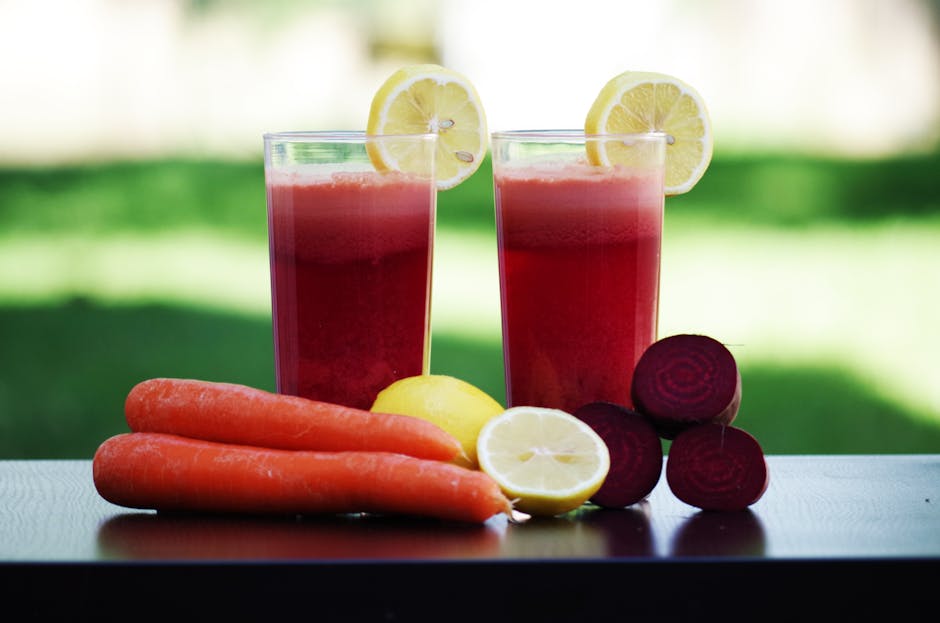
Have you ever considered a juice diet to kick-start your weight loss journey or detoxify your body? With trendy juice bars on every corner and a plethora of sleekly packaged juices in stores, it's easy to fall for the allure of a quick fix. But before you dive headfirst into a juice-only regimen, it's important to understand what juice diets entail and their potential impact on your health. This post will explore the benefits and drawbacks of juice diets, provide evidence-based insights, and offer practical tips for incorporating juices into a balanced lifestyle.
1What Are Juice Diets?
Juice diets, often marketed as 'juice cleanses' or 'detoxes,' involve consuming only juice from fruits and vegetables for a set period, typically ranging from a few days to several weeks. Proponents claim these diets aid in weight loss, detoxify the body, and boost energy levels. However, it's crucial to understand that while juices can be nutrient-rich, they often lack essential macronutrients like protein and fats, which are vital for a balanced diet and maintaining long-term health.
2The Pros and Cons of Juice Diets
One of the main advantages of juice diets is that they can increase your intake of vitamins and minerals thanks to the concentrated nature of fruits and vegetables. For instance, juices made from kale, spinach, and apples can provide a hefty dose of vitamins A, C, and K, along with antioxidants. However, the downside is that these diets are typically low in protein and fiber, leading to potential muscle loss and digestive issues. Moreover, the high sugar content in fruit juices can lead to energy spikes and crashes, making it difficult to sustain long-term weight loss.
3Understanding the Emotional Aspect of Eating
It's essential to recognize the emotional aspects tied to eating and how juice diets can impact these feelings. Many people use food for comfort, celebration, or stress relief, and drastically reducing food variety can lead to feelings of deprivation. Instead of viewing juices as a magic bullet, consider them as a supplement to a varied, enjoyable diet that supports emotional well-being. Moderation and balance are key to sustainable weight loss and overall health.
4Incorporating Juices into a Balanced Diet
Rather than relying solely on juices, try incorporating them as a part of a balanced diet. Use vegetable-heavy juices as a nutrient boost alongside whole foods rich in protein and fiber, like a spinach and apple juice paired with a grilled chicken salad. This approach not only ensures you're getting a broader range of nutrients but also helps maintain satiety and energy levels throughout the day.
5Tracking Your Nutritional Intake with Cratox
To ensure you're meeting your nutritional needs while enjoying juices, consider using the Cratox app. It allows you to track your intake of crucial nutrients, including calories, proteins, and carbohydrates, helping you maintain a balanced diet. By monitoring your macros and getting personalized insights, you can make informed decisions that support your health goals.
💡Quick Tips
Start your day with a green juice as part of a balanced breakfast.
Pair fruit juices with a source of protein to manage blood sugar levels.
Use Cratox to track your nutrient intake and adjust your diet accordingly.
🥗Related Foods in Cratox
FAQ
QCan juice diets help with weight loss?
Can juice diets help with weight loss?
QAre juice diets safe for everyone?
Are juice diets safe for everyone?
QHow can I incorporate juices without going on a juice diet?
How can I incorporate juices without going on a juice diet?
Juice diets can offer a quick burst of nutrients but should be approached with caution due to their lack of essential macronutrients. By incorporating juices into a balanced diet and using tools like Cratox to track your intake, you can enjoy the benefits of juices while supporting your overall health goals. Track your nutrient intake with Cratox's smart food database. Download the app today and reach your goals faster!

About Sarah Mitchell
Nutrition Editor specializing in sustainable weight loss and behavior change. Helps people develop healthy relationships with food while achieving their weight goals.
Track Your Nutrition
Use Cratox to track your macros and reach your goals faster.