Imagine competing in a high-stakes event under the scorching sun. Your body feels the intensity, but you've trained for this. Heat acclimation can be the difference between victory and defeat. In this post, we'll explore how adapting to heat can boost your performance and provide actionable strategies to integrate into your training regimen.
1The Science Behind Heat Acclimation
Heat acclimation is a physiological adaptation process that enhances the body's ability to cope with heat stress. This involves increased plasma volume, improved sweat response, and more efficient blood flow to the skin, all crucial for maintaining performance in elevated temperatures. Studies show that acclimation can lead to a 1-2% improvement in time-trial performance, a significant margin in competitive sports.
2Strategies for Effective Heat Acclimation
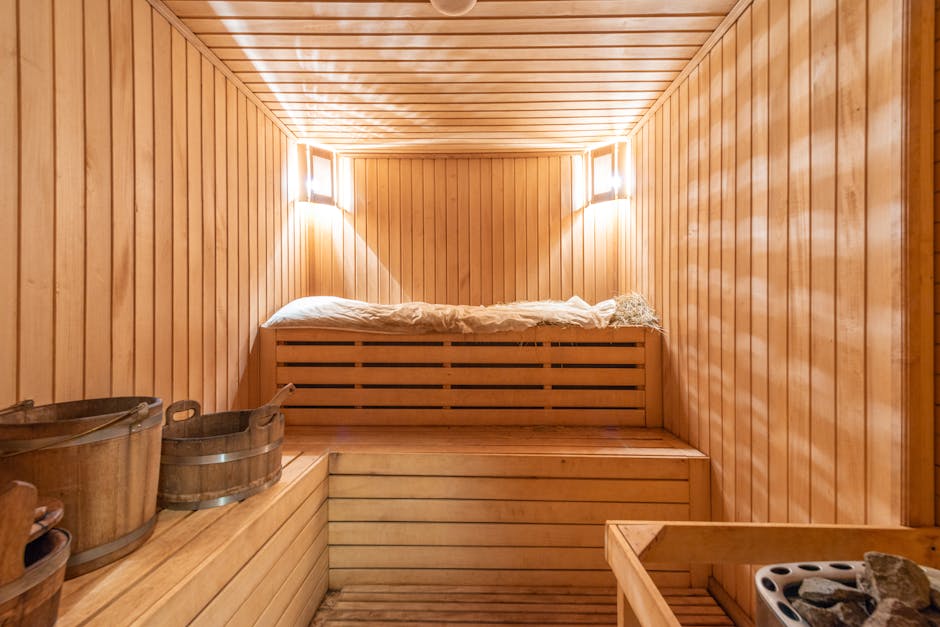
To effectively acclimate to heat, athletes should gradually increase their exposure to hot conditions over 7-14 days. This can be achieved through training in warmer climates or using heat chambers. Ensuring adequate hydration is paramount, and the Cratox app can help you track fluid intake accurately. Consuming water-rich foods, such as watermelon and cucumbers, can also support hydration efforts.
3Nutritional Considerations During Heat Acclimation
Nutrient timing and composition are crucial during heat acclimation. Prioritize electrolytes such as sodium and potassium, which are lost through sweat. Foods like bananas and spinach are excellent sources. The Cratox database can assist in planning meals to maintain electrolyte balance, ensuring you stay fueled and hydrated.
4Monitoring and Adjusting Your Training
Consistent monitoring of your body's response to heat is essential. Use heart rate and core temperature data to adjust intensity. A drop in performance metrics might indicate the need for more recovery or hydration. The Cratox app offers personalized insights to help you fine-tune your training load and nutritional intake.
💡Quick Tips
Gradually increase your exposure to heat over 7-14 days.
Monitor hydration levels and adjust fluid intake accordingly.
Incorporate electrolyte-rich foods like bananas into your diet.
🥗Related Foods in Cratox
FAQ
QHow long does heat acclimation take?
How long does heat acclimation take?
QWhat foods help with heat acclimation?
What foods help with heat acclimation?
Mastering heat acclimation can significantly enhance your athletic performance in hot conditions. By integrating gradual exposure, proper hydration, and nutritional strategies, you can optimize your body's adaptation to heat. Track your progress and nutritional intake with the Cratox app, and stay ahead of your competition. Download the app today and elevate your game.

About Alex Rivera
Sports nutritionist working with Olympic athletes and professional teams. Expert in competition preparation, recovery nutrition, and performance optimization.
Track Your Nutrition
Use Cratox to track your macros and reach your goals faster.