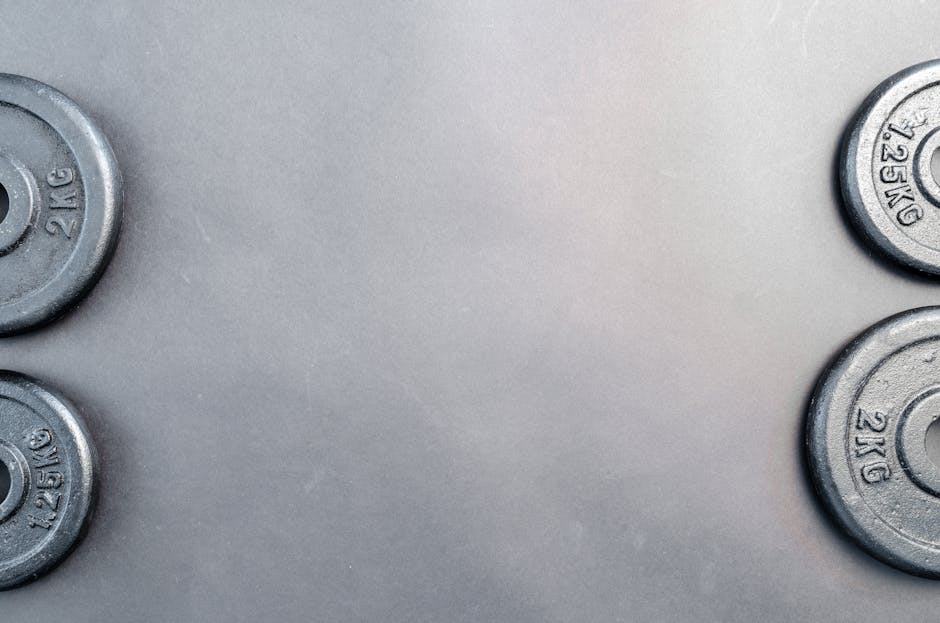
Ever feel like you've hit a plateau in your workouts? You’re lifting, sweating, grinding, but those gains just aren't coming like they used to. Well, my iron-pumping friend, it's time to get strategic with progressive overload. This is the cornerstone of muscle growth and strength, and today you'll learn how to plan it like a pro to break through any barriers holding you back.
1Understanding Progressive Overload
Progressive overload is the gradual increase of stress placed upon your body during exercise. It's not about lifting the heaviest weights on day one but gradually increasing the load over time to stimulate muscle growth. This principle is key to continued improvement and avoiding those dreaded plateaus. By consistently challenging your muscles, you force them to adapt, grow, and get stronger.
2Planning Your Overload Strategy
First, assess your current strengths. Document what weights you’re lifting for key exercises like squats, deadlifts, and bench presses. Once you have a baseline, aim to increase your weights incrementally each week. Incorporate compound movements, which engage multiple muscle groups and boost your strength more efficiently. And remember, nutrition plays a crucial role here. Fuel your muscles with protein-rich foods like chicken breast and eggs from the Cratox database to aid recovery and growth.
3Tracking Progress and Adjustments
Use tools like the Cratox app to monitor your progress. Document each session, noting the weights used, reps completed, and how you felt. This data helps you make informed decisions about when to push harder and when to rest. If you notice you're consistently hitting your targets, it’s time to bump up the weights or add reps. This ensures that you’re always challenging your muscles and keeps those gains coming.
4Avoiding Overtraining
While pushing your limits is crucial, it’s equally important to listen to your body. Overtraining can lead to fatigue and injury. Ensure you're getting adequate rest and integrating recovery days into your routine. Nutrition is vital here too. Incorporate nutrient-dense foods like salmon and sweet potatoes to support muscle repair and energy replenishment.
💡Quick Tips
Increase weights by 5-10% every two weeks.
Add an extra set to your key lifts once a month.
Use the Cratox app to track your weekly progress.
Incorporate a deload week every 4-6 weeks.
Focus on compound exercises for maximum gains.
🥗Related Foods in Cratox
FAQ
QHow often should I increase weights?
How often should I increase weights?
QWhat if I can't lift heavier weights?
What if I can't lift heavier weights?
QHow does nutrition affect progressive overload?
How does nutrition affect progressive overload?
Progressive overload is your roadmap to gains, but it requires planning, patience, and consistency. With the right strategy and tools like Cratox to track your intake and progress, you can break through any plateau and achieve the physique you’ve been dreaming of. Download Cratox today and turn your goals into reality!

About Marcus Thompson
Fitness Editor and former competitive bodybuilder with over 10 years of experience helping athletes achieve their physique goals. Specializes in muscle gain, strength training, and performance nutrition.
Track Your Nutrition
Use Cratox to track your macros and reach your goals faster.