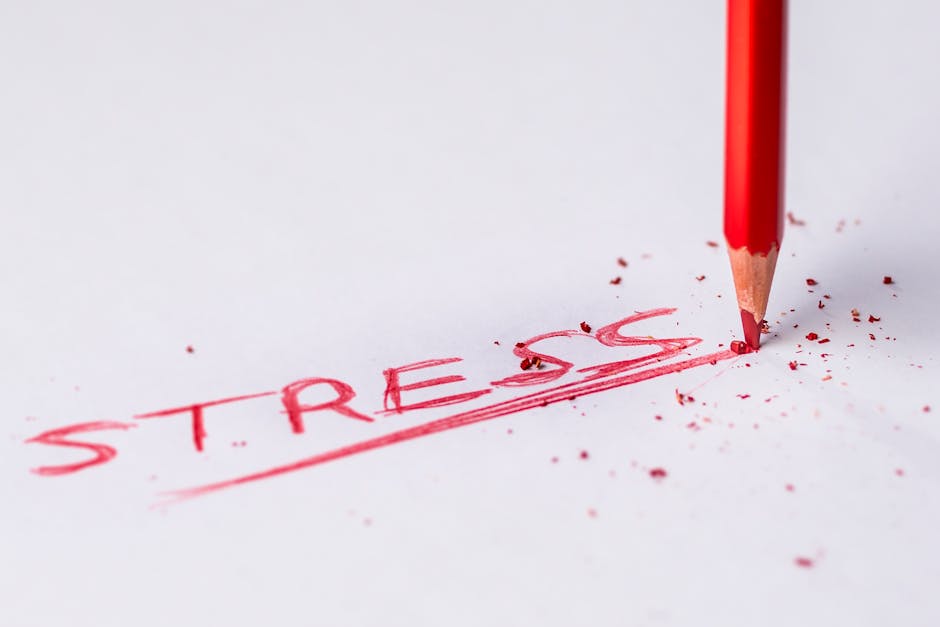
Have you ever reached for a chocolate bar after a stressful day, only to feel guilty later? You're not alone. Stress eating is a common challenge many face on their weight loss journey. In this blog post, we'll explore how managing stress can be a powerful tool in achieving your weight loss goals. You'll learn practical strategies to reduce stress and make mindful food choices, ultimately leading to sustainable weight loss and improved health.
1Understanding the Stress-Weight Connection
When you're stressed, your body releases cortisol, a hormone that can increase appetite and cravings for unhealthy foods. This often leads to stress eating, where comforting food choices like chips, cookies, or chocolate become irresistible. Additionally, stress can disrupt sleep, leading to further hormonal imbalances that affect hunger and satiety. Understanding this connection is the first step in breaking the cycle and making healthier choices.
2The Power of Mindful Eating
Mindful eating involves paying attention to what you eat and savoring every bite. This practice can help you recognize hunger cues and differentiate between emotional and physical hunger. By focusing on the texture, flavor, and aroma of foods like almonds or blueberries, you can reduce overeating and improve your overall relationship with food. Mindful eating encourages you to enjoy your meals, making it easier to resist the lure of stress-induced snacking.
3Incorporating Stress-Reducing Foods
Certain foods can help your body manage stress better. For instance, green leafy vegetables and fatty fish like salmon are rich in omega-3 fatty acids, which have been shown to reduce stress levels. Including these in your diet can support your mental health and aid in weight loss. Additionally, whole grains like oats can stabilize blood sugar levels, preventing mood swings that may lead to stress eating.
4Practical Stress Management Techniques
Incorporating regular physical activity, such as walking or yoga, can significantly reduce stress and improve mood. Additionally, practicing relaxation techniques like deep breathing or meditation can help calm your mind. These activities not only help manage stress but also support weight loss by promoting better sleep and reducing cortisol levels.
💡Quick Tips
Practice mindful eating by slowing down and savoring each bite.
Incorporate stress-reducing foods like leafy greens and fatty fish into your meals.
Set aside 10 minutes daily for deep breathing exercises or meditation.
🥗Related Foods in Cratox
FAQ
QCan stress really affect my weight loss efforts?
Can stress really affect my weight loss efforts?
QWhat are some quick stress-relief activities?
What are some quick stress-relief activities?
Managing stress is a crucial component of successful weight loss. By understanding the stress-weight connection and incorporating mindful eating and stress-reducing foods, you can support your health goals effectively. Use tools like the Cratox app to track your food intake and stay accountable. Download the app today and take the first step towards a healthier, happier you!

About Sarah Mitchell
Nutrition Editor specializing in sustainable weight loss and behavior change. Helps people develop healthy relationships with food while achieving their weight goals.
Track Your Nutrition
Use Cratox to track your macros and reach your goals faster.