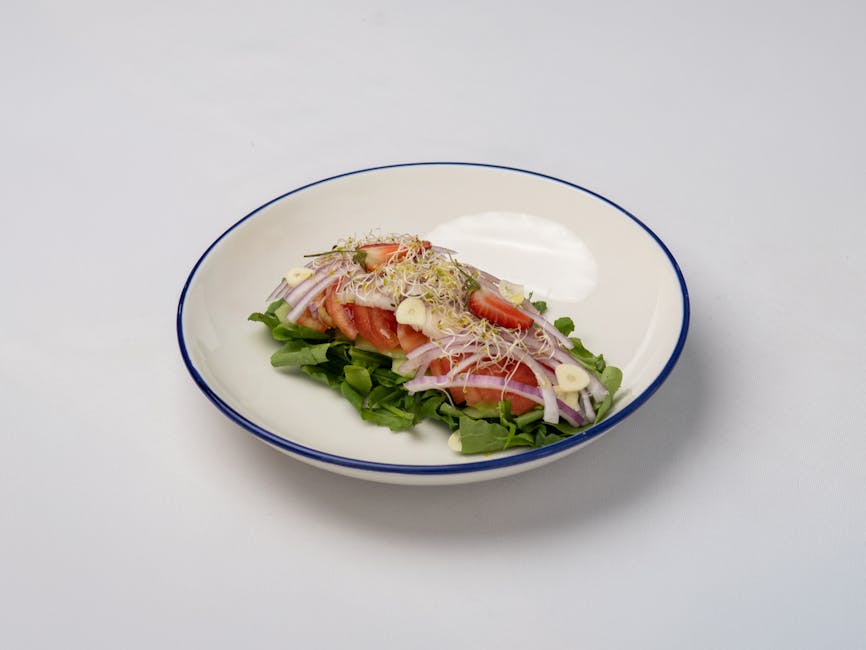
Imagine waking up, going through your day, and waiting until dinner to finally have your first meal. This is what following the One Meal a Day (OMAD) diet entails. While it promises simplicity and potentially rapid weight loss, it's essential to understand the full picture. In this article, we'll explore the ins and outs of OMAD, backed by science, to help you decide if it's a sustainable choice for you.
1Understanding the OMAD Diet
The OMAD diet involves consuming all your daily calories in a single meal, typically within a one-hour window. This approach is a form of intermittent fasting, which has gained popularity for its potential health benefits, including weight loss, improved metabolic health, and increased mental clarity. However, it's crucial to balance your meal to ensure you're meeting your nutritional needs. Incorporating nutrient-dense foods like leafy greens, lean proteins such as grilled chicken, and healthy fats from avocados can make your meal more balanced.
2Potential Benefits of OMAD
Advocates of OMAD often cite its simplicity and potential for weight loss as significant benefits. By limiting eating to one meal, you might naturally reduce calorie intake, leading to weight loss. Additionally, some studies suggest that intermittent fasting can enhance metabolic health by improving insulin sensitivity and reducing inflammation. However, these benefits largely depend on the quality of the meal consumed. Using the Cratox app can help you track your nutritional intake, ensuring your meal is nourishing and balanced.
3Risks and Considerations
While OMAD can offer some benefits, it's not without risks. Eating just one meal can lead to nutrient deficiencies if not carefully planned. You might also experience fatigue, irritability, or intense hunger, making it hard to stick with long-term. It's important to listen to your body's signals and ensure that your dietary pattern supports your overall health and well-being. Consulting with a healthcare provider or a registered dietitian can provide personalized guidance. Tracking your intake with Cratox can help you monitor potential deficiencies and adjust your diet accordingly.
4Practical Tips for Following OMAD
If you're considering trying OMAD, here are some tips to make it more sustainable:
1. Plan Your Meal Carefully: Make sure your meal is nutrient-dense, including a balance of proteins, fats, and carbohydrates.
2. Stay Hydrated: Drink plenty of water throughout the day to stay hydrated and help control hunger.
3. Listen to Your Body: Pay attention to how your body responds and adjust your approach as needed.
4. Use Cratox for Tracking: Utilize the Cratox app to monitor your nutrient intake and ensure you're meeting your dietary needs.
💡Quick Tips
Include a variety of vegetables in your meal for fiber and nutrients.
Add lean proteins like chicken or tofu to your meal for satiety.
Regularly track your nutrient intake with Cratox to stay on top of your health.
🥗Related Foods in Cratox
FAQ
QIs OMAD suitable for everyone?
Is OMAD suitable for everyone?
QCan OMAD help with weight loss?
Can OMAD help with weight loss?
QHow do I ensure I'm getting enough nutrients on OMAD?
How do I ensure I'm getting enough nutrients on OMAD?
OMAD can be an effective strategy for some, but it's not a one-size-fits-all solution. The key is to ensure your single meal is nutritionally complete to support your overall health. Use the Cratox app to track your intake, balance your nutrients, and make informed decisions about your diet. Download Cratox today and take a step towards your health goals.

About Sarah Mitchell
Nutrition Editor specializing in sustainable weight loss and behavior change. Helps people develop healthy relationships with food while achieving their weight goals.
Track Your Nutrition
Use Cratox to track your macros and reach your goals faster.