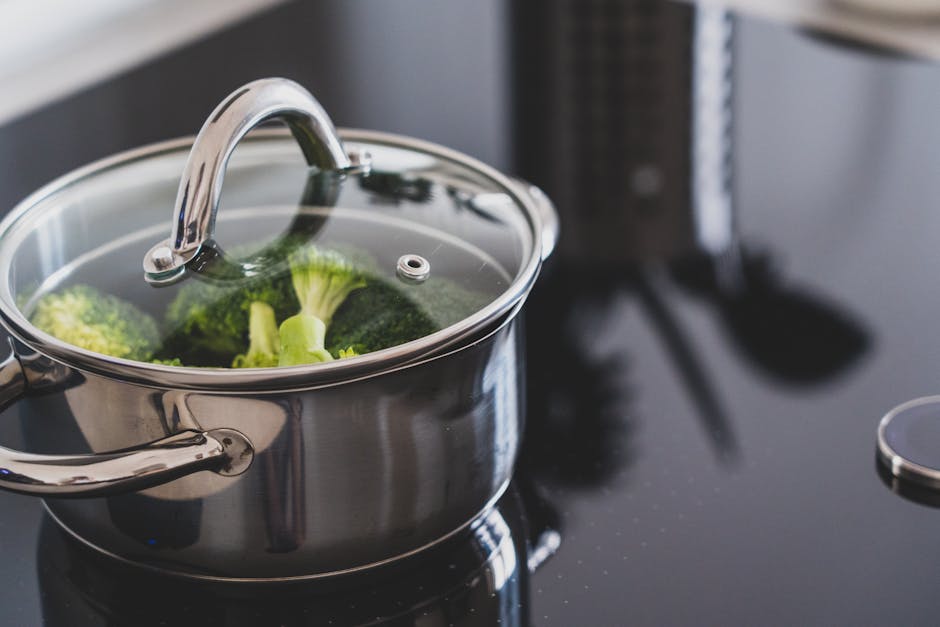
Imagine you're about to prepare a healthy meal and you're faced with a choice: Should you steam or boil your vegetables? This decision might seem trivial, but the cooking method you choose can significantly impact the nutritional value of your food. In this post, we'll explore the differences between steaming and boiling, discuss how each method affects the nutrients in your meals, and help you make informed choices for your health.
1How Cooking Methods Affect Nutrients
Cooking methods can alter the nutrient profile of foods. Steaming generally retains more nutrients compared to boiling. This is because boiling involves submerging food in water, which can lead to some nutrients leaching out. For example, water-soluble vitamins like vitamin C and B-vitamins are particularly vulnerable to being lost during boiling. On the other hand, steaming uses hot vapor, keeping nutrients more intact. Vegetables such as broccoli and carrots maintain their vibrant colors and nutrients better when steamed.
2Steaming: The Gentle Approach
Steaming is a gentle cooking method that uses steam to cook food. This method is especially beneficial for preserving the texture, flavor, and nutritional content of foods. Foods like spinach and green beans benefit from steaming, as they retain more antioxidants and vitamins. Additionally, steaming doesn't require any oil, making it a great choice for those monitoring their fat intake. Cratox users can track how steaming affects their nutrient intake by comparing steamed vs. raw food data in the app.
3Boiling: When It's the Better Option
Boiling is often quicker and requires less equipment than steaming, making it a convenient choice. It can be ideal for foods that benefit from being cooked in water, such as potatoes or legumes, where the goal is to soften the food thoroughly. While some nutrients are lost, boiling can enhance the bioavailability of others. For instance, cooking tomatoes increases the availability of lycopene, an antioxidant that promotes heart health.
4Making the Right Choice for You
The choice between steaming and boiling depends on your nutritional goals and the food you're preparing. Steaming is often preferred for preserving nutrients, while boiling can sometimes enhance the digestibility or bioavailability of certain nutrients. By using the Cratox app, you can analyze and track the nutrient content of your meals, helping you make informed decisions about which cooking method to use based on your dietary needs.
💡Quick Tips
Try steaming your vegetables to retain more vitamins.
Use a steamer basket to easily transform your pot into a steamer.
Monitor your nutrient intake with Cratox to see the impact of cooking methods.
🥗Related Foods in Cratox
FAQ
QIs steaming always better than boiling?
Is steaming always better than boiling?
QDoes boiling remove all nutrients?
Does boiling remove all nutrients?
Choosing between steaming and boiling depends on your nutritional goals and the specific food you're preparing. Steaming often retains more nutrients, while boiling can sometimes enhance others. Use Cratox to track your nutrient intake and see how different cooking methods affect your meals. Download the app today and take control of your nutrition!

About Lisa Wong
Nutrition Writer focusing on general nutrition education and balanced eating. Makes complex nutritional science accessible and actionable for everyday people.
Track Your Nutrition
Use Cratox to track your macros and reach your goals faster.