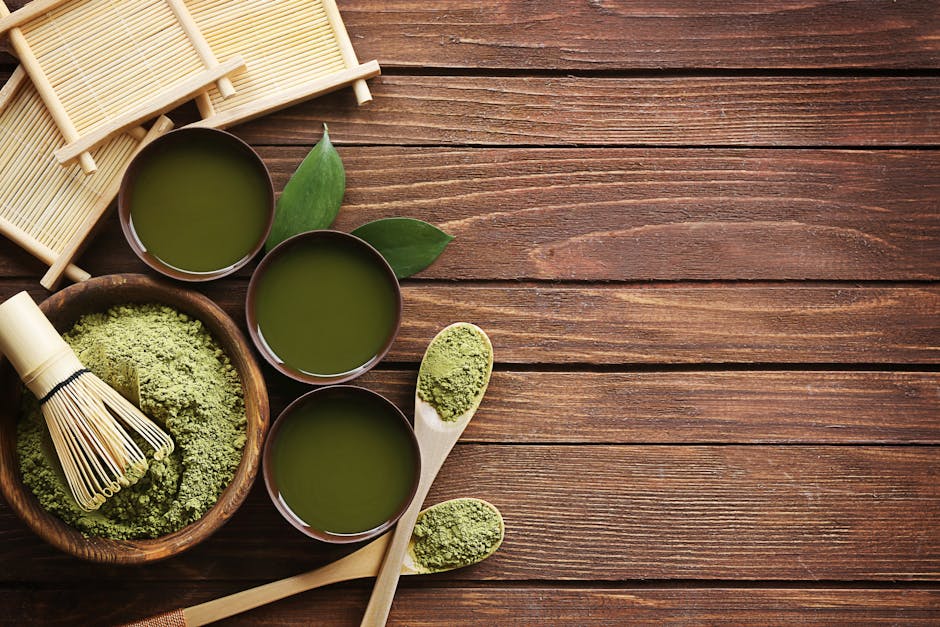
Have you ever wondered why matcha has become a staple in wellness circles? This vibrant green powder isn’t just a trend; it's a powerhouse of nutrients and health benefits. In this post, we will explore the science behind matcha, its health benefits, and how you can incorporate it into your diet effectively.
1What Makes Matcha Different?
Unlike regular green tea, matcha involves consuming the whole tea leaf, which means you get a more concentrated source of nutrients. Matcha is rich in antioxidants, particularly catechins like EGCG (epigallocatechin gallate), which are known for fighting free radicals. This makes matcha a superior choice compared to other green teas when considering antioxidant content.
2Health Benefits Backed by Science
Several studies have highlighted matcha's potential to enhance metabolic rate, improve concentration, and even reduce the risk of chronic diseases. The catechins in matcha may help with weight management by boosting metabolism and increasing fat oxidation. Additionally, matcha contains L-theanine, an amino acid that promotes relaxation and reduces stress without the drowsiness that comes with other calming agents.
3How to Incorporate Matcha Into Your Diet
The versatility of matcha allows it to be used in various recipes. You can enjoy it as a traditional tea or incorporate it into smoothies, baked goods, or even savory dishes. For instance, blend matcha with yogurt and fruits like strawberries or bananas for a nutrient-packed breakfast. When using matcha in baking, remember it pairs well with ingredients like almonds and coconut, which enhance its flavor.
4Considerations for Optimal Use
While matcha is beneficial, moderation is key. High doses can lead to side effects such as insomnia or stomach upset due to caffeine content. For most individuals, 1-2 cups of matcha a day should suffice. Also, sourcing quality matcha is crucial as the nutrient content can vary significantly. Look for organic, shade-grown matcha for the best quality.
5Tracking Nutritional Needs with Cratox
Using the Cratox app, you can monitor your nutrient intake and ensure you're getting the right balance. Cratox's smart database can help you track your matcha consumption and see how it fits into your overall nutritional goals. By logging your meals, you can identify nutrient gaps and adjust your diet accordingly.
💡Quick Tips
Start with 1/2 teaspoon of matcha per day and gradually increase.
Try a matcha latte by whisking matcha with almond milk for a soothing drink.
Use Cratox to track your caffeine intake alongside other nutrients.
🥗Related Foods in Cratox
FAQ
QIs it safe to drink matcha every day?
Is it safe to drink matcha every day?
QCan matcha help with weight loss?
Can matcha help with weight loss?
QWhat is the best time to drink matcha?
What is the best time to drink matcha?
Matcha offers a range of health benefits, from antioxidants to improved concentration. By incorporating this superfood into your diet, you can enhance your overall well-being. Use the Cratox app to track your matcha intake and optimize your nutrition. Download Cratox today to reach your health goals faster!

About David Chen
Supplements Editor with expertise in micronutrients and supplementation. Helps people understand when, why, and how to supplement their diet safely and effectively.
Track Your Nutrition
Use Cratox to track your macros and reach your goals faster.