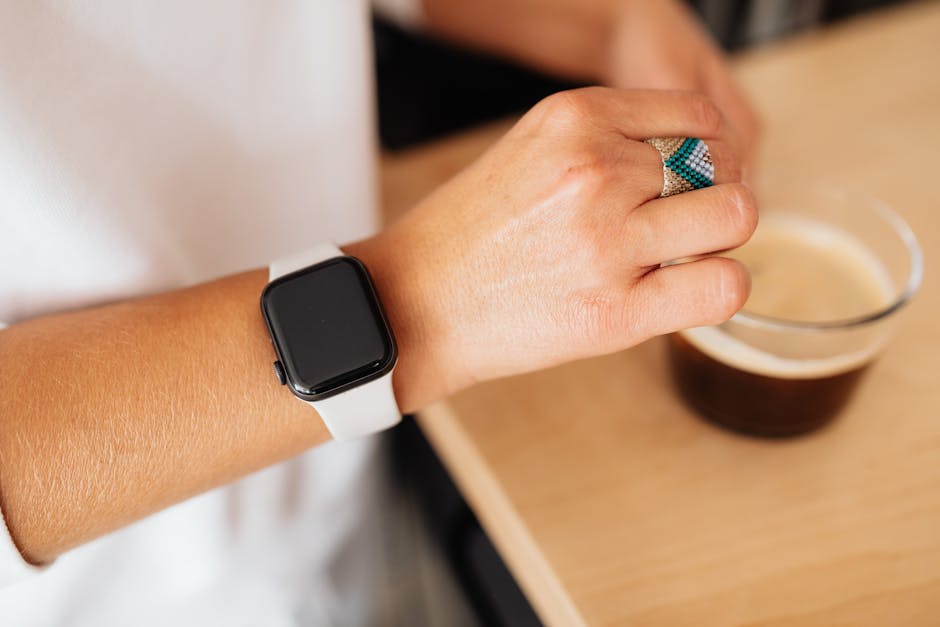
Imagine this: you're out for a walk, and your smartwatch alerts you to an irregular heartbeat. With advancements in wearable technology, this scenario is not just possible but increasingly common. ECGs on wearables are changing how we monitor heart health daily. In this post, we'll explore what these tiny devices can tell you about your heart, how they can detect potential issues, and how you can use this information to manage your health better.
1Understanding ECGs on Wearables
Electrocardiograms (ECGs) on wearables like smartwatches provide a snapshot of your heart's electrical activity. These devices can detect irregular heartbeats, such as atrial fibrillation (AFib), a common condition that can lead to stroke if untreated. By capturing this data in real-time, wearables allow you to take proactive steps toward heart health management. This is particularly beneficial for those with chronic conditions like heart disease, where monitoring is crucial.
2How Wearables Detect Heart Health Issues
Wearables are equipped with sensors that measure the electrical signals produced by your heart. When these signals deviate from the norm, the device alerts you, prompting further investigation. For instance, if you're experiencing frequent palpitations, an ECG reading from your watch could help determine whether it's a benign issue or something requiring medical attention. This capability empowers you to seek timely help, potentially preventing more severe complications.
3Integrating Diet for a Healthier Heart
While wearables provide valuable insights, they should be part of a broader heart health strategy. Diet plays a critical role. Incorporating heart-healthy foods, like salmon and avocados, can improve your cardiovascular health. These foods are rich in omega-3 fatty acids and healthy fats, which can help reduce inflammation and improve cholesterol levels. Using the Cratox app, you can track your intake of these beneficial nutrients, ensuring you're supporting your heart health comprehensively.
4Empowering Yourself with Data
The data from your wearable's ECG can be a powerful tool in managing your heart condition. By regularly reviewing your ECG readings, you can identify patterns and triggers that affect your heart health. This data, combined with insights from the Cratox app, can help you make informed decisions about your diet and lifestyle, ultimately supporting your heart health more effectively.
💡Quick Tips
Check your wearable's ECG readings weekly to spot any patterns.
Incorporate omega-3-rich foods like salmon into your diet.
Use the Cratox app to monitor your nutrient intake and adjust your diet accordingly.
🥗Related Foods in Cratox
FAQ
QCan wearables detect heart attacks?
Can wearables detect heart attacks?
QHow accurate are wearable ECGs?
How accurate are wearable ECGs?
Wearables equipped with ECG technology are revolutionizing how we monitor heart health. By providing timely insights, they enable proactive health management, especially when combined with a heart-healthy diet tracked through apps like Cratox. Stay informed and take charge of your heart health today—download Cratox and start tracking your intake for a healthier tomorrow.

About James Parker
Health Writer specializing in diabetes, heart disease, and digestive health management. Provides practical, research-backed nutrition advice for people with chronic conditions.
Track Your Nutrition
Use Cratox to track your macros and reach your goals faster.