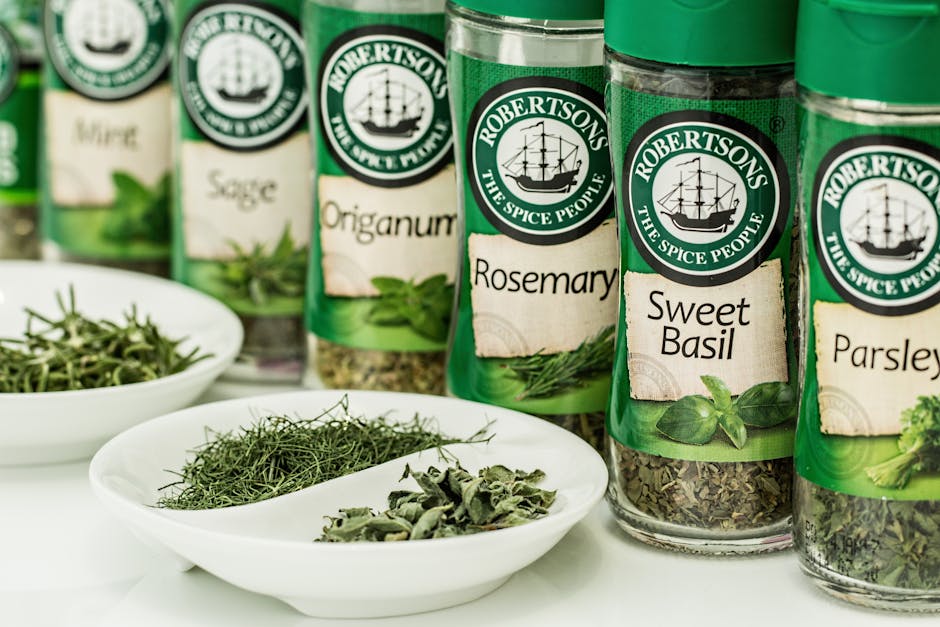
Imagine you're preparing a meal and reach for those fresh or dried herbs to sprinkle over your dish. Have you ever wondered, aside from adding flavor, do these herbs add any nutritional value? In this article, we'll explore how cooking herbs can be a small but mighty addition to your diet. You'll learn about the nutrients they contain and how they can enhance both the flavor and nutritional profile of your meals.
1The Nutritional Profile of Common Cooking Herbs
Cooking herbs like basil, parsley, and cilantro are more than just flavor enhancers. They contain vitamins, minerals, and antioxidants that contribute to your overall health. For example, basil is rich in vitamin K, which is essential for blood clotting and bone health. Parsley contains vitamins A and C, which support immune function and skin health. Even a small sprinkle of herbs can contribute to your daily nutrient intake.
2Antioxidants and Health Benefits
Herbs are packed with antioxidants, which help fight free radicals in the body and reduce inflammation. Oregano, for instance, has a high concentration of antioxidants and can aid in digestion and respiratory health. The antioxidants in herbs can also contribute to reducing the risk of chronic diseases, making them a valuable addition to any diet.
3Enhancing Flavor and Reducing Sodium
One of the primary benefits of using herbs in your cooking is the ability to enhance flavor without adding excess salt. This is particularly beneficial for those looking to reduce sodium intake for better heart health. Herbs like rosemary and thyme can add depth and complexity to dishes, allowing you to cut back on salt without sacrificing taste.
4How to Incorporate Herbs into Your Diet
Incorporating herbs into your diet can be simple and enjoyable. Fresh herbs can be added to salads, soups, and sandwiches, while dried herbs work well in cooked dishes and marinades. Start by experimenting with small amounts to find what flavors you enjoy most. Using the Cratox app, you can track how these additions affect your overall nutrient intake and discover new herb combinations.
💡Quick Tips
Start with a small amount of herbs to find your preferred flavor balance.
Use fresh herbs in salads and dried herbs in cooked dishes.
Track your herb intake with the Cratox app to monitor nutrient contributions.
🥗Related Foods in Cratox
FAQ
QDo dried herbs have the same nutritional value as fresh herbs?
Do dried herbs have the same nutritional value as fresh herbs?
QCan herbs replace supplements in my diet?
Can herbs replace supplements in my diet?
Herbs are a flavorful and nutritious addition to any meal, providing essential vitamins, minerals, and antioxidants. They can enhance the taste of your dishes while supporting your health goals. By using the Cratox app, you can easily track how these small additions impact your nutrient intake. Download Cratox today to discover the benefits of herbs in your diet.

About Lisa Wong
Nutrition Writer focusing on general nutrition education and balanced eating. Makes complex nutritional science accessible and actionable for everyday people.
Track Your Nutrition
Use Cratox to track your macros and reach your goals faster.